

09August
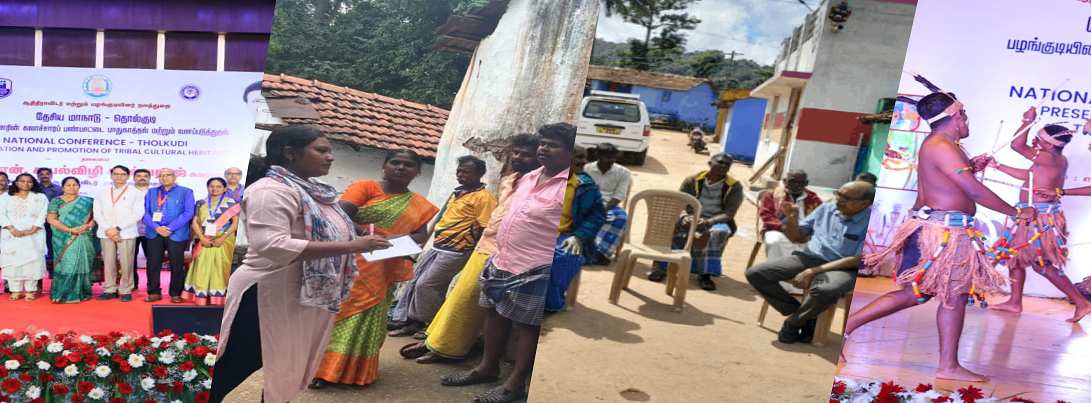
Two day event of “Commemoration of International Day of the World’s Indigenous Peoples”, organized by the Centre for Social Justice and Equity – MSSW under the direction of Tribal welfare directorate, Government of Tamil Nadu with Madurai Government Museum, M.V. Muthiah Government Arts College for Women, Dept of folklore of Madurai Kamaraj University as Collaborating partners alongside.
The International day of World’s Indigenous Peoples serves as a global call to action for the rights and dignity of indigenous communities. The day honours their enduring contributions to cultural diversity, sustainable ecosystems, and community-centric living, even as they continue to face systemic exclusion, marginalisation, and ecological displacement. The programme was designed to transition from academic understanding to personal narratives and practical empowerment, creating a holistic experience for participants from academia, civil society, and the tribal communities themselves.
A total of eight sub-events were organised in this commemoration Programme. The unique aspects of commemoration day programme is through interactive sessions with the participants the event successfully fostered significant dialogue, awareness, and documented valuable insights into the life, culture, and contemporary challenges of tribal communities of the state. Key outcomes included enhanced public awareness, community empowerment, and the generation of crucial archival material.
Every year the Centre commemorates the International Day of the World’s Indigenous Peoples 2025 by focusing one Tribal Community. In 2024, the Centre focused the Irular tribal community. This present year, Centre focused Paliyar tribal community.
The Paliyars, also known as Paliyans, Pazhaiyarares and Panaiyars, are an Indigenous community traditionally concentrated in Madurai, Ramanathapuram, Dindigul and Srivilliputhur, historically inhabiting the Sirumalai–Palani hills of the Western Ghats. Studies highlight their rich culture, deep connection with nature, sustainable use of forest resources, and remarkable gender equality. The Paliyars’ harmonious relationship with the forest—taking only what they need, protecting water sources and using ethnomedicine—offers valuable lessons in sustainability and ecological balance.
As part of the Inagural session this curated photo exhibition will visually capture the traditions and culture of Paliyar Tribes. Photographs contributed by ethnographers, researchers, scholars, students, and community members will be displayed with bilingual captions (Tamil and English), offering visitors a lens into the intimate and everyday lives of the Paliyars.
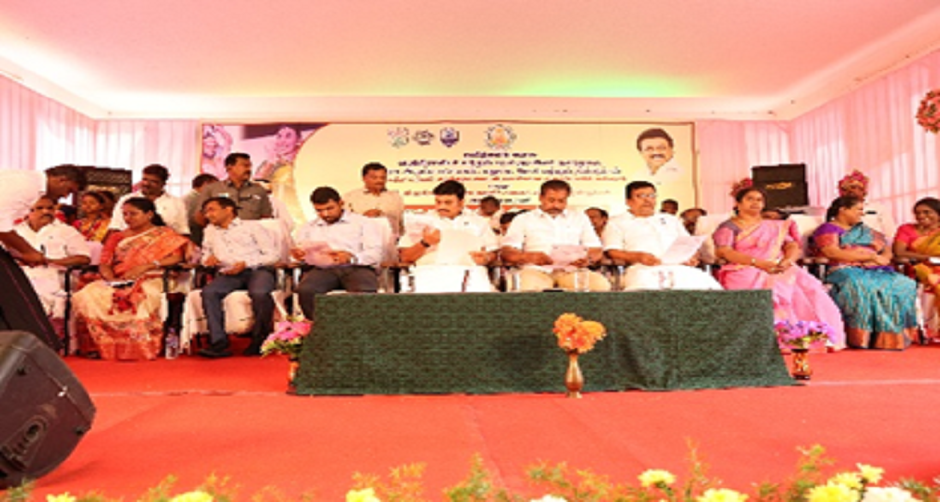
The event commenced with an inaugural session followed by the opening of the photo exhibition by Honourable Minister Dr. M. Mathiventhan, curated by Dr. D. Gopinath and his team from Madurai Kamaraj University. The exhibition, featuring a total of 100 meticulously curated photographs, covering from habitat to material culture which provided a profound visual ethnography of the Paliyar people’s cultural Heritage.
Proceedings: The photographs, accompanied by bilingual captions, chronicled aspects from Paliyar family and community life and Forest landscapes and traditional occupationsto Festivals, rituals, and indigenous knowledge practices and Moments of cultural pride. The curated journey effectively contextualized the academic discussions that followed.
Insights: The exhibition served as a powerful silent narrative, moving beyond data to humanize the community’s connection to their ecology, spirituality, and social structures. It highlighted the intricate knowledge systems embedded in their daily lives.
The Tholkudi Digital Repository is part of a pioneering initiative by the Tamil Nadu Adi Dravidar and Tribal Welfare Department, dedicated to preserving, revitalising, and celebrating the languages and cultural heritage of the state's tribal communities. Its primary mission is the long-term preservation of digital records of these languages, ensuring they remain accessible for future generations.
The repository supports documentation teams in creating high-quality digital records in open, preservation-friendly formats. It serves as a platform for the ethical archiving, community-led curation, and dissemination of linguistic and cultural resources, enabling both academic research and community-led revitalization efforts.
After the Inagural session this sub-event was the major one in the first day of the Programme. Chaired by Prof. T. Dharmaraj from Madurai Kamaraj University, Three presentations were presented by academicians in this symposium delved into the academic and historical dimensions of the Paliyar community.
Professor N. P. P. Palanivelrajan from Palanimalai Range Cultural Research Institute, Kodaikanal, Dindigul, gave presentation about the Archaeology and the Continuing Traditions of Paliyar Community of Palanimalai range. He explained about the uniqueness of Paliyar’s culture, such as their mythology, traditional knowledge, land rights, challenges, cultural resilience, and historical continuity and also how they are still preserving their traditions by practicing in the present time. He stressed that the importance of preserving of these cultural heritage for the future is the public obligation.
Proceedings: Presentations covered social struggles, comparative tribal mythology, and archaeological evidence linking past traditions to present-day practices. The session established a strong scholarly foundation for understanding the community’s historical continuity and resilience.
Key Insights: The discussants emphasized the need to view Paliyar history not as a static relic but as a dynamic interplay of tradition and adaptation in the face of modern pressures, notably land rights and ecological conservation.
This documentary screening offered an intimate cinematic perspective on the socio-cultural and economic realities of the Paliyar people. It will offer an intellectual gateway into Paliyar lived realities. it was made by Professor Gobinath and Mr. Karthick from Madurai Kamaraj University.
This session was the cornerstone of community voice agency in the Programme.
Proceedings: Moderated by a host fluent in Tamil and the Paliyar dialect, community members shared their personal testimonies, contemporary issues, folk tales, songs, and narratives of resilience and discrimination. This segment aims to centre indigenous voices in a respectful and celebratory space. It also creates a moment for the audience to listen, empathize, and ask questions directly.
Outcomes: It created a rare, respectful space for direct dialogue between the tribe and the stake holders and general public. The stories underscored a universal aspiration for dignity, education for their children, and the preservation of their unique identity amidst change.
As a part of tribal livelihood support for the economic empowerment three tribal stalls were showcased by Paliyar community members, they displayed forest-based products like wild honey, herbs, handicrafts, and indigenous foods.
Proceedings:Community members managed the stalls, explaining the origins and uses of products directly to the visitors.
Outcomes: This was a direct exercise in economic empowerment and visibility. It translated traditional knowledge into tangible economic value, fostering respect and creating a potential market link for these communities.
This parallel workshop, facilitated by experts from CIIL and MKU, trained 30 tribal students in self-documentation of cultural heritage.
Proceedings:The modules covered collecting folklore, creating pictorial glossaries, and an introduction to orthography development. Participants actively engaged in recording proverbs and describing cultural terms.
Outcomes: This was a pivotal investment in sustainability. By empowering community youth with documentation skills, the event planted the seeds for ongoing, internal preservation of their endangered language and oral traditions

